
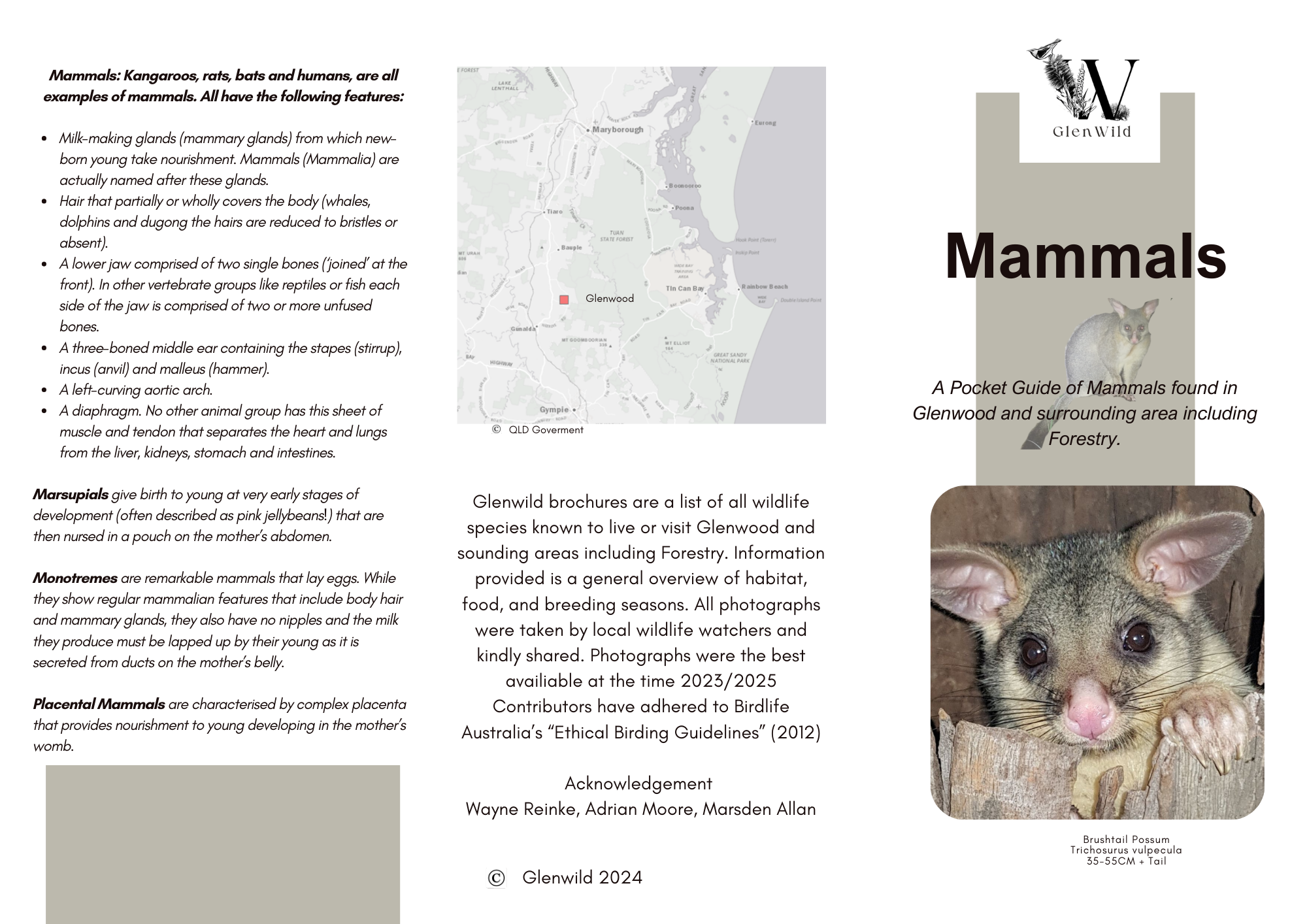
Mammals
Mammals: Kangaroos, rats, bats and humans, are all examples of mammals because they share the following features:
- Milk-making glands (mammary glands) from which new-born young take nourishment. Mammals (Mammalia) are actually named after these glands.
- Hair that partially or wholly covers the body (whales, dolphins and dugong the hairs are reduced to bristles or absent).
- A lower jaw comprised of two single bones (‘joined’ at the front). In other vertebrate groups like reptiles or fish each side of the jaw is comprised of two or more unfused bones.
- A three-boned middle ear containing the stapes (stirrup), incus (anvil) and malleus (hammer).
- A left-curving aortic arch.
- A diaphragm. No other animal group has this sheet of muscle and tendon that separates the heart and lungs from the liver, kidneys, stomach and intestines.
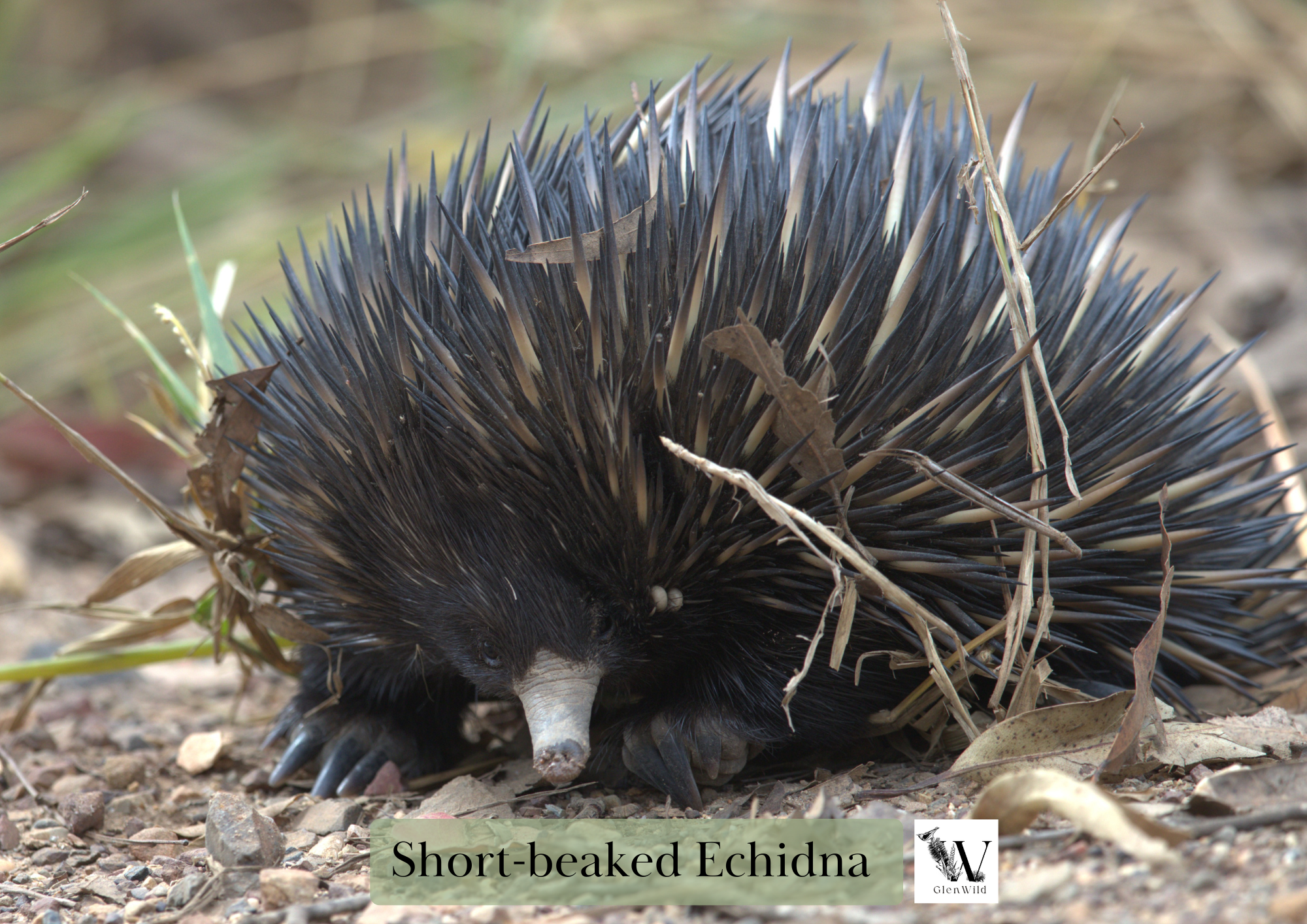
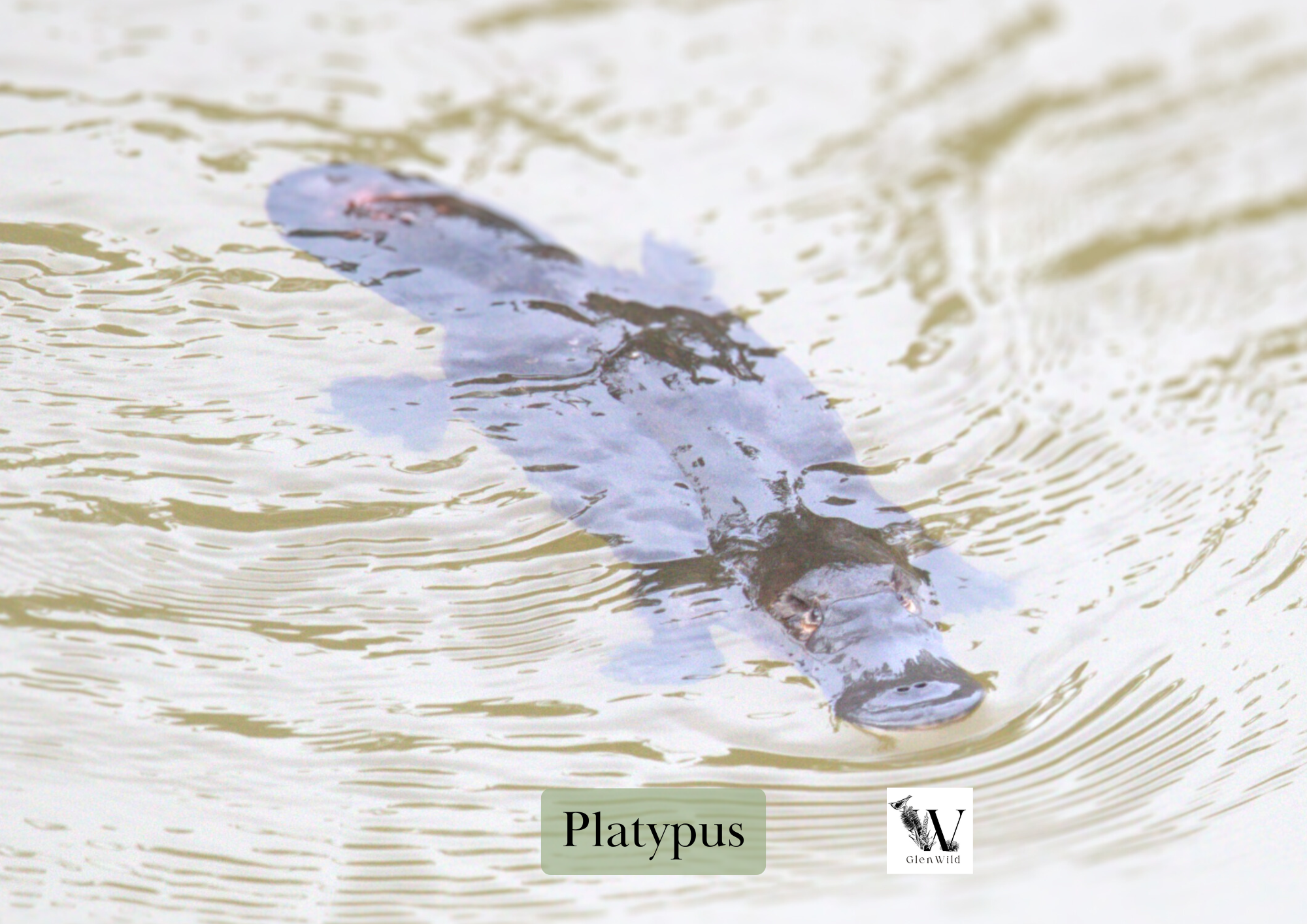
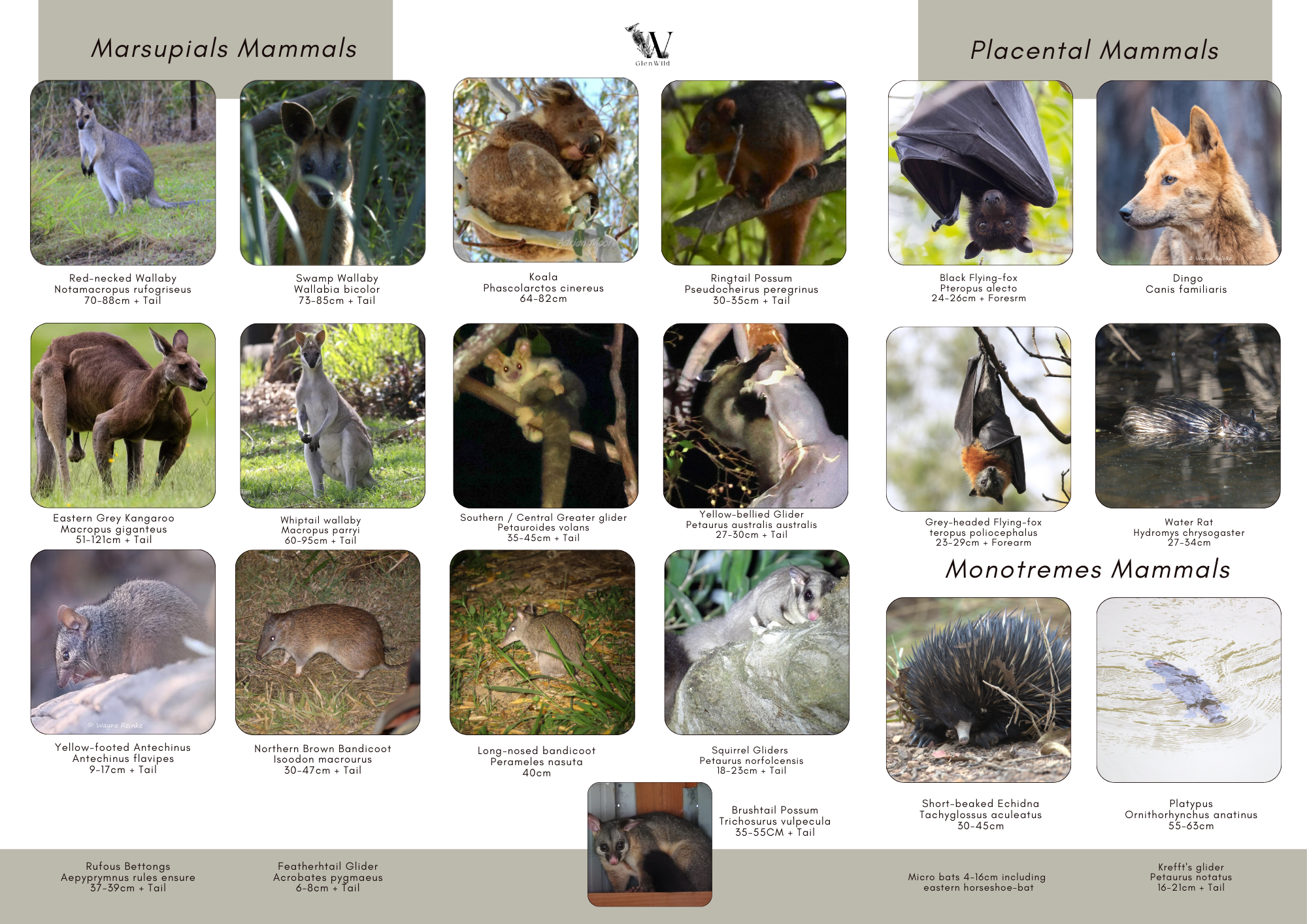
Monotremes Mammals (one hole) lay eggs. Monotremes have no nipples, the milk they produce is lapped up by their young as it is secreted from ducts on the mother’s belly.
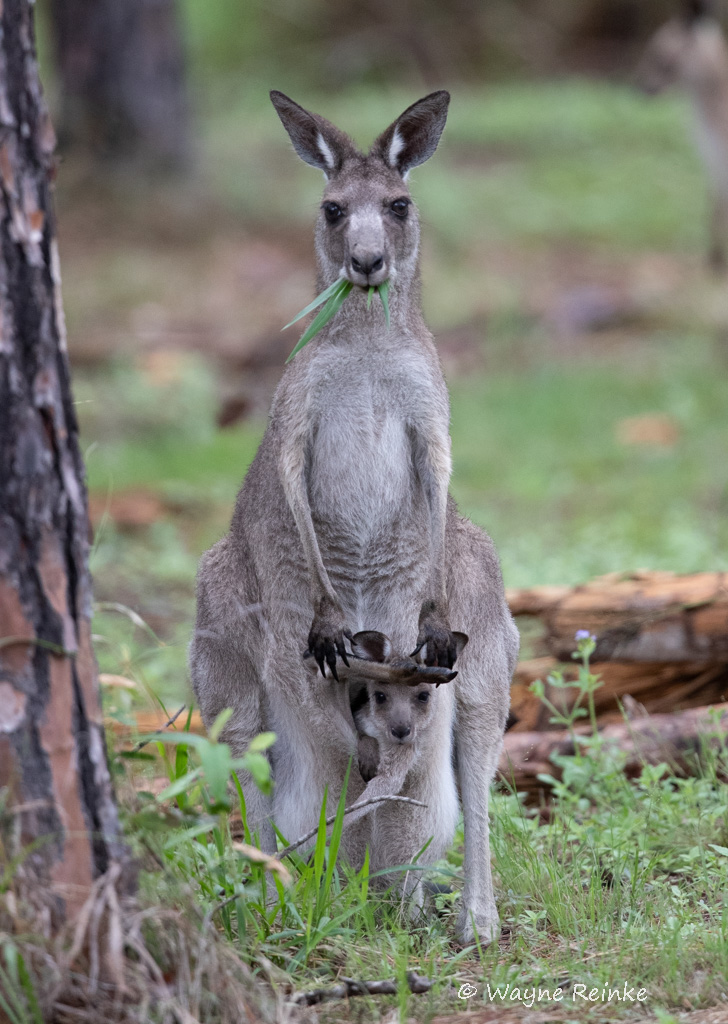
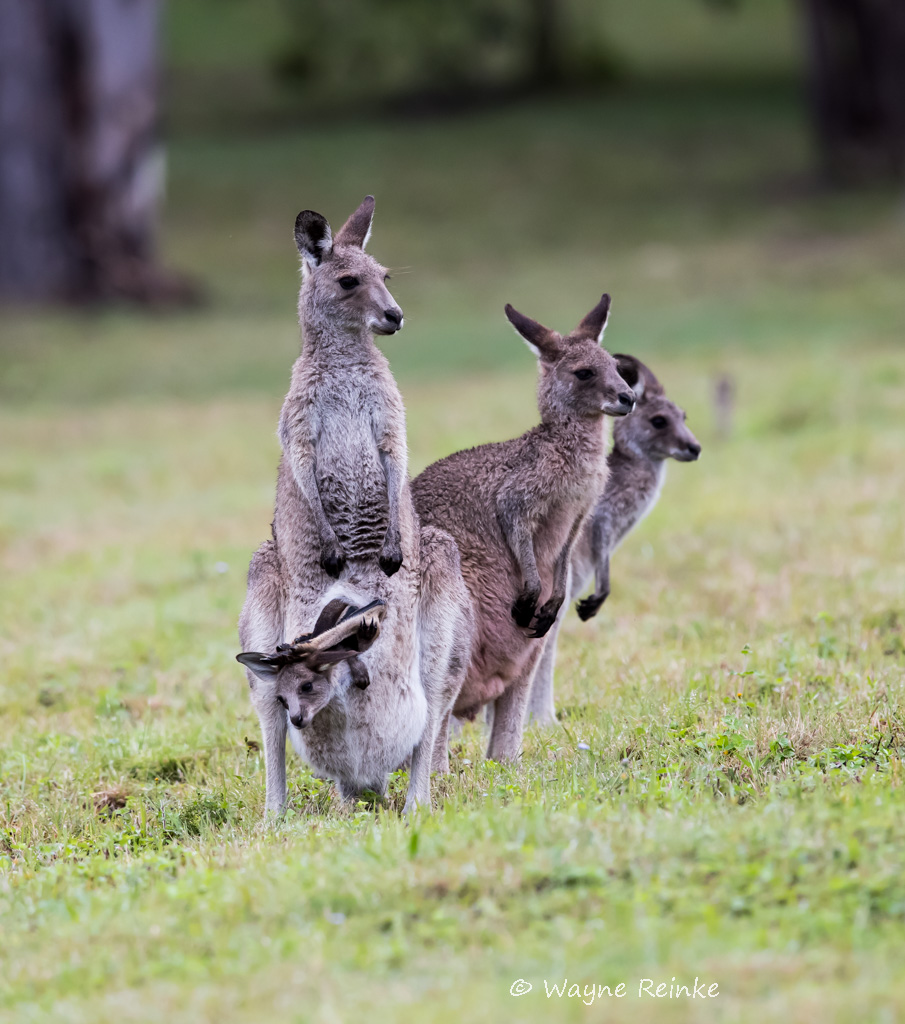
Marsupials – give birth to young at very early stages of development (often described as pink jellybeans!) that are then nursed in a pouch on the mother’s abdomen.
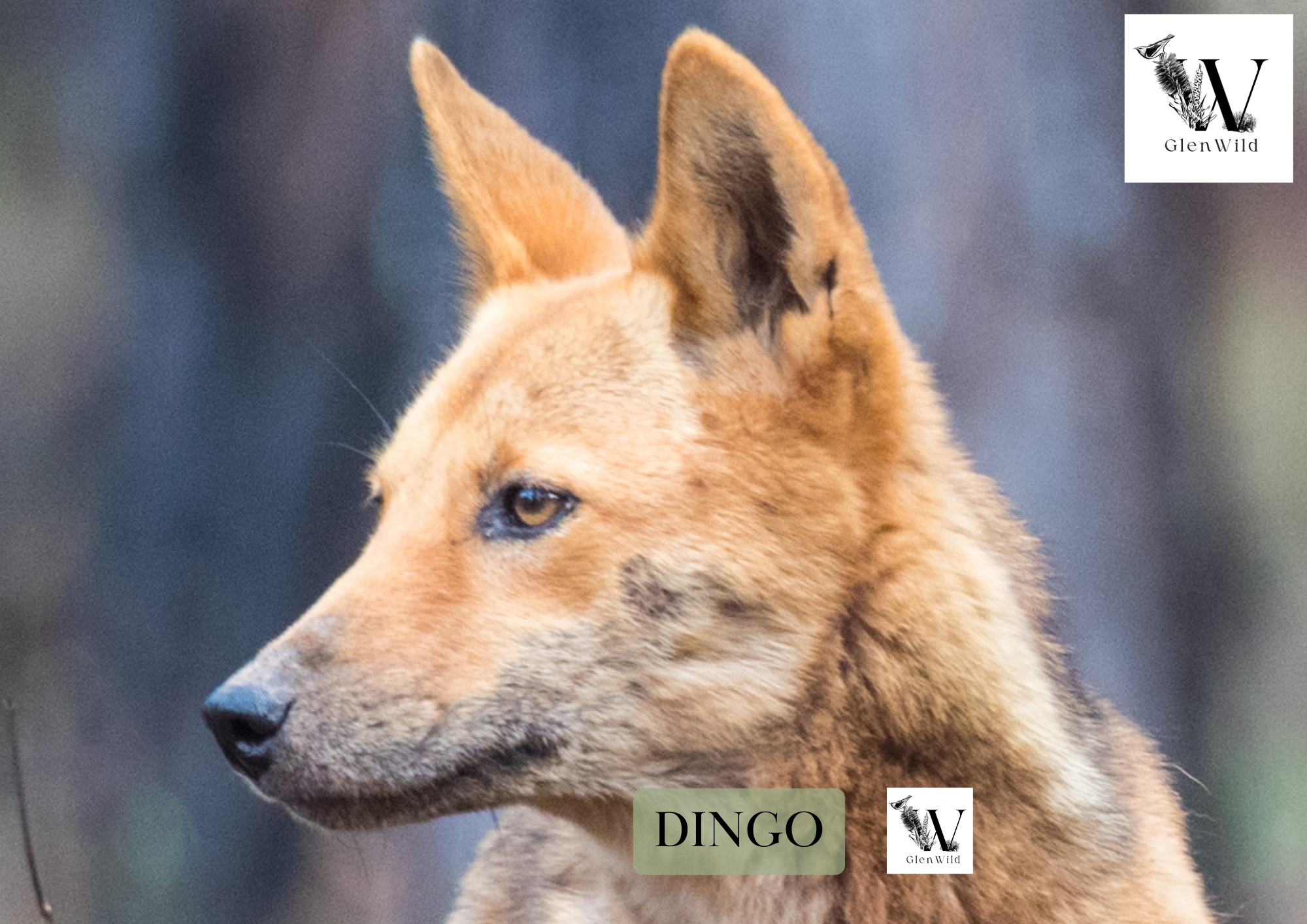
Placental Mammals are characterised by complex placenta that provides nourishment to young developing in the mother’s womb.
 home
home 